
For a long time, reading instruction leaned heavily on guessing strategies — teaching kids to figure out an unfamiliar word from a picture or the shape of a sentence, rather than sounding it out. Decades of research say that approach leaves too many kids behind. The federally commissioned National Reading Panel reviewed the evidence and identified five skills that, taught explicitly and in the right order, reliably produce confident readers. That body of research is what’s now called the “Science of Reading,” and it’s reshaping how reading is taught in classrooms — and how it’s worth reinforcing at home.
The five skills that actually build a reader
1. Phonemic awareness — hearing the sounds
Before a child can connect letters to sounds, they need to hear that words are made of separate sounds in the first place. “Cat” is three distinct sounds, not one blob. Games that isolate, blend, and swap sounds out loud — no books required — build this skill, and research pooling dozens of studies found the gains held up well after the training stopped.
2. Phonics — connecting sounds to letters
Once a child can hear individual sounds, phonics teaches which letters represent which sounds, and how to blend them into words. Systematic, step-by-step phonics instruction — moving from simple sound-letter pairs to more complex patterns — showed clear benefits from kindergarten through sixth grade. This is the piece that lets a child sound out a word they’ve never seen in print before, instead of guessing from context.
3. Fluency — reading smoothly enough to understand
A child who has to labor over every word has no attention left to think about what the sentence means. Fluency comes from reading the same material aloud, repeatedly, with a listener giving feedback — not from independent silent reading, which research found does little for kids who haven’t yet built strong word-recognition skills.
4. Vocabulary — knowing what the words mean
Sounding out a word correctly doesn’t help if the child has never heard it before. Direct vocabulary instruction, paired with hearing and using new words in rich, varied contexts, measurably improves how much a child understands what they read.
5. Comprehension — actually understanding the text
The final piece is teaching kids to actively think about what they read: asking questions as they go, summarizing what just happened, noticing the structure of a story, and connecting new information to what they already know. No single trick works best here — a combination of these strategies, taught explicitly, produces the strongest readers.
What this looks like at home
You don’t need a curriculum to reinforce these five skills — you need a handful of habits.
- Play with sounds before you worry about letters. Clap out syllables, find rhymes, ask “what sound does ‘sun’ start with?” This is phonemic awareness, and it works anywhere — the car, the bath, the dinner table.
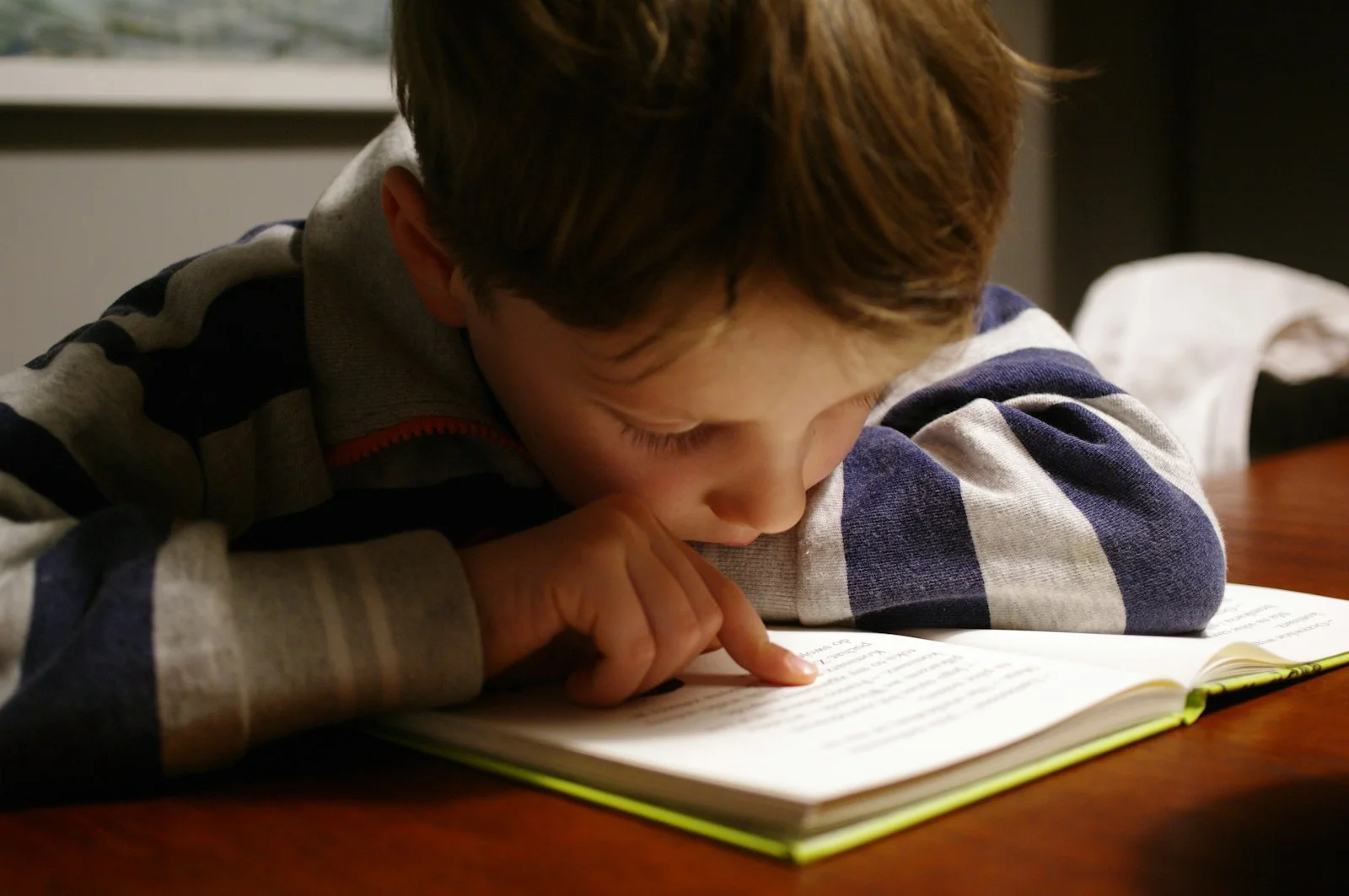
- Sound words out together instead of supplying them. When your child hits a word they don’t know, resist reading it for them right away. Point to the letters and sound it out together — that’s phonics in action.
- Reread favorite books out loud. Repetition isn’t a sign your child is stuck; it’s how fluency is built. Let them read the same book several nights in a row.
- Talk more than you think you need to. Narrate what you’re doing, explain unfamiliar words when they come up, and ask your child to guess what a new word might mean before you tell them. This is where vocabulary grows fastest.
- Ask questions before, during, and after a story. “What do you think will happen next?” and “Why do you think she did that?” build comprehension far more than just finishing the book.
If reading feels like a struggle
Some kids need more explicit, structured phonics instruction than a general classroom program provides — this is especially true for children with dyslexia or other reading differences. If your child is well past kindergarten and still guessing at words rather than sounding them out, it’s worth raising with their teacher directly and asking specifically about phonemic awareness and phonics screening, not just “how is reading going.” Catching this early makes a real difference; the skills above are the same ones a specialist would build on, just with more structure and repetition.
Reading isn’t one skill — it’s five, stacked on top of each other. Kids don’t need to be born “good readers.” They need those five pieces, in order, reinforced consistently. That’s it.