Learning Made Joyful, Not Overwhelming
Reading, math, science, homework help and focus — clear, age-matched guidance parents can use tonight, without the jargon.
What’s Covered
Five subject areas, each with practical strategies you can start using today.

Reading
Phonics basics, building a reading habit, choosing age-right books, and what to do when a child resists reading.
See reading tips →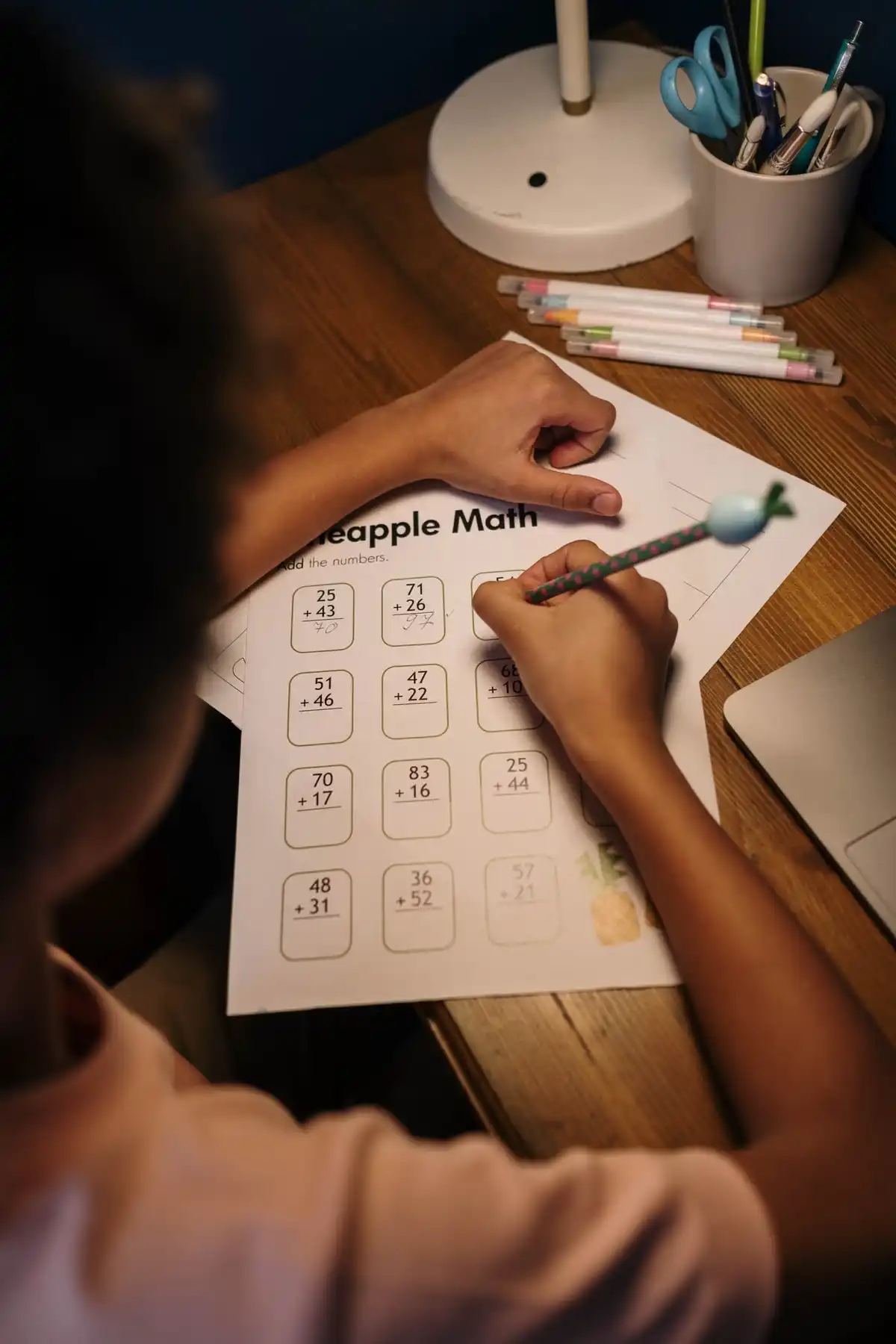
Math
Everyday number sense, times tables without tears, and turning kitchen and grocery trips into math practice.
See math tips →
Science
Simple, safe at-home experiments that build curiosity and explain the “why” behind everyday things.
See science tips →
Homework Help
Setting up a homework routine that actually sticks, without nightly battles or constant reminders.
See homework tips →
Concentration & Study Skills
Shorter focus blocks, fewer distractions, and simple routines that help kids sit down and stay on task.
See focus tips →Browse by Age
Every child learns on their own timeline — start with what fits your child’s stage right now.
Toddler (2–4)
Sound play, picture books, and short hands-on activities.
Early (5–7)
First reading milestones, basic number sense, simple routines.
Mid (8–10)
Reading fluency, times tables, independent homework habits.
Tween (11–12)
Study skills, time management, and staying motivated.
How to Use This Page
Start with Browse by Age if you’re not sure where to look — it narrows five subjects down to what actually matters for a 2-year-old versus a 10-year-old. Start with What’s Covered instead if you already know the subject (reading, math, science, homework, or focus) and just want the age-specific version of that guide. Each guide is written to be read once and used the same evening, not studied like a course.
What This Page Can’t Replace
These guides cover typical learning bumps — a child who’s behind on phonics, anxious about math, or losing focus during homework. They are not a substitute for a teacher who works with your child directly, or for an evaluation if you suspect a learning difference such as dyslexia or ADHD. If a subject keeps being a struggle despite trying age-appropriate strategies, Understood.org and Reading Rockets are free, reputable places to start, alongside a conversation with your child’s school.
Pair Learning With the Right Tools
Free printable worksheets, routine builders and planners that turn these tips into daily habits.