
Printable Worksheets, Free to Download
Free printable worksheets for kids, organized by subject and grade so you can find the right difficulty fast — focused, independent practice with no screen required.
What’s Available
Four worksheet categories covering the core subjects parents ask for most.
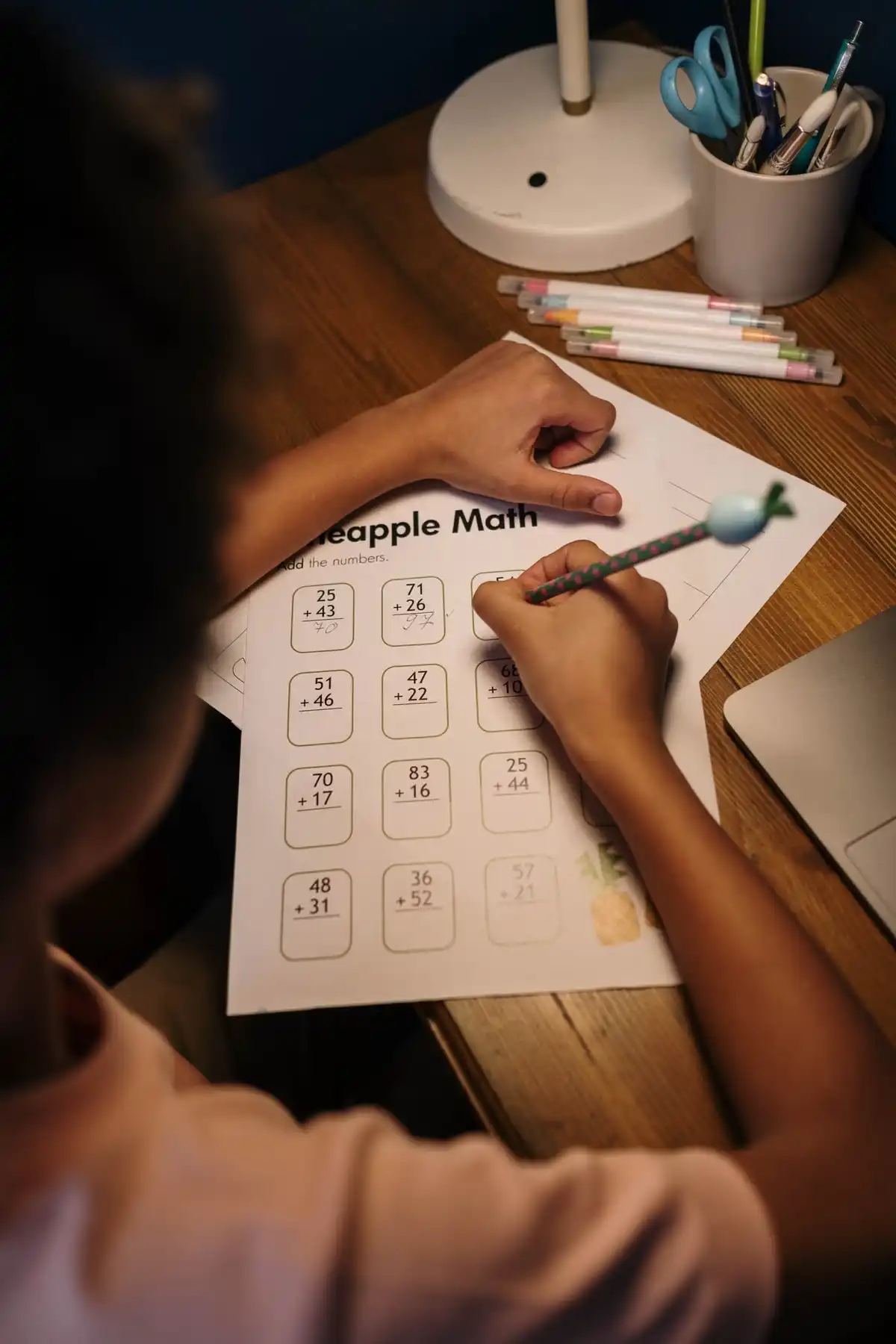
Math Worksheets
Counting, addition and subtraction, multiplication, and early problem-solving.

Reading & Phonics
Letter sounds, sight words, and comprehension practice.
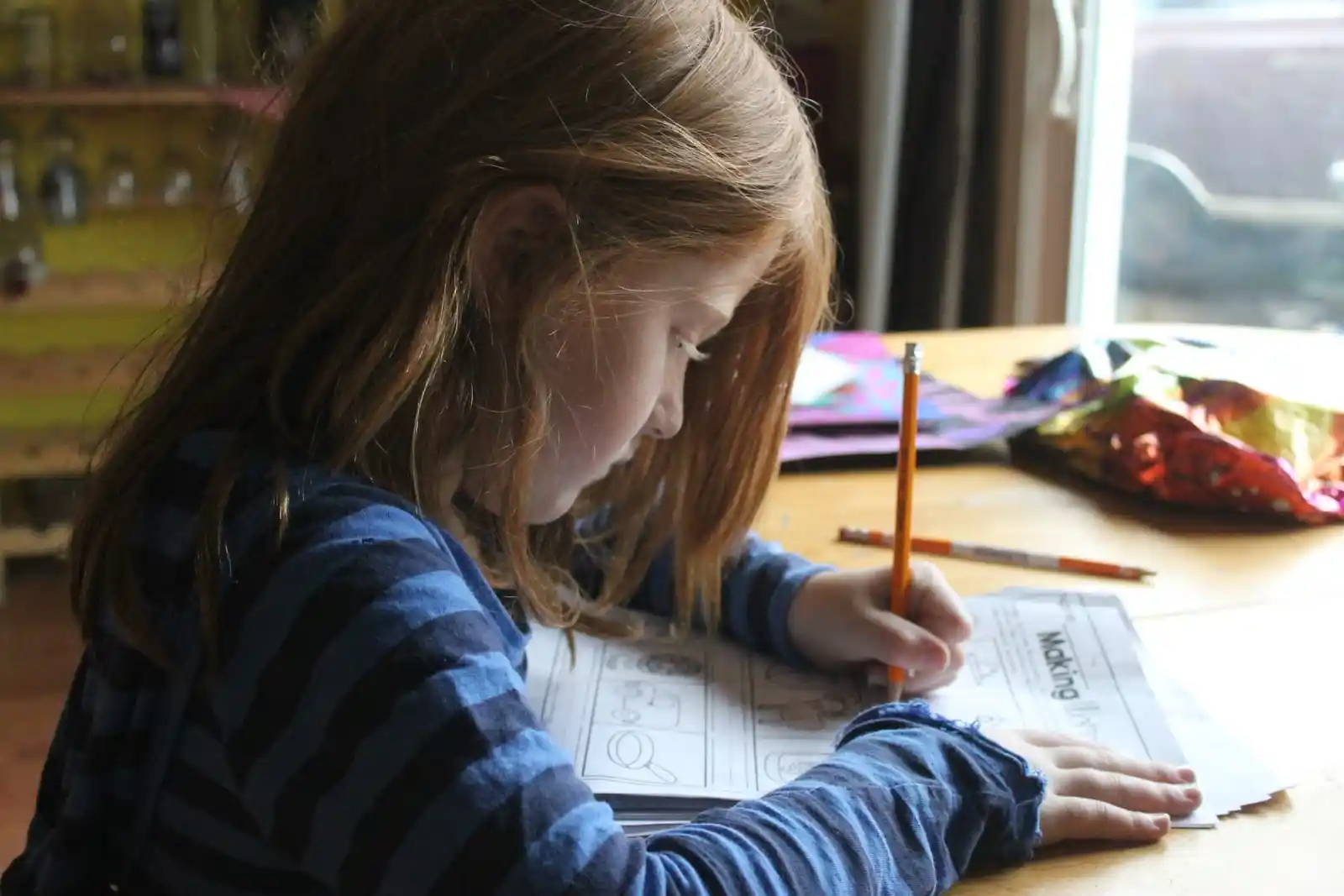
Handwriting
Letter formation and fine motor practice for early writers.

Seasonal & Themed
Practice pages tied to holidays and the school calendar.
How to Use Them
Worksheets work best paired with a plan.
Pick one skill your child needs to practice right now.
Keep sessions short — 10–15 minutes is plenty.
Follow up with a related hands-on activity to reinforce it.
Why Printable Worksheets Still Work
A worksheet is a low-tech tool, and that’s the point: no login screen, no notifications, no algorithm deciding what comes next after this one. For a specific, narrow skill — carrying the one in addition, matching a phonics sound to a letter pattern, tracing a letter correctly — repeated paper practice is still one of the fastest ways to build automaticity, and it’s easy to see exactly where a child is getting stuck by looking at the page. These free printable worksheets for kids are meant to be used alongside, not instead of, the guided lessons in Learning.
Choosing the Right Difficulty
If a worksheet takes more than a few minutes of visible frustration, it’s usually the wrong grade level rather than a sign your child needs to try harder — drop down a level and build back up. Math Worksheets and Reading & Phonics below are grouped so you can move a level down or up without hunting through the whole library, and Seasonal & Themed pages work well when regular practice sheets have gone stale for a while.
Printing Tips (No Special Paper Needed)
Every worksheet here is designed to print cleanly in black and white on standard letter or A4 paper from any home printer — there’s no need for cardstock, color ink, or a specific printer model. If ink is a concern, most pages hold up fine printed in draft or grayscale mode, and laminating a few high-use pages (or slipping them into a plastic sleeve) lets you reuse them with a dry-erase marker instead of printing fresh copies each time.
If Your Child Resists Worksheets
Some kids, especially reluctant writers, push back on anything that looks like a worksheet regardless of subject. If that’s a pattern in your house rather than a one-off, it’s worth trying the same skill through a hands-on activity or a printable game first and circling back to the worksheet format later, rather than pushing through resistance every session. Ongoing, strong resistance to writing tasks can also be worth mentioning to your child’s teacher, since it’s sometimes an early sign worth a closer look.
How Often to Print New Ones
There’s no set schedule that works for every child, but a useful rule of thumb is one to three worksheets a few times a week for a skill that’s still shaky, tapering off once it clicks. Printing an entire packet in advance can feel efficient, but most parents find it easier to print a small batch, see what your child actually finishes and enjoys, and print the next batch based on that — it wastes less paper and keeps the difficulty level matched to where your child actually is that week, not where they were when you first printed.
Save Worksheets to Your Dashboard
Register for a free account to keep track of what you’ve downloaded for each child.